When 3 PM Meant Freedom: How American Kids Lost Their After-School Hours
The Sound of Freedom
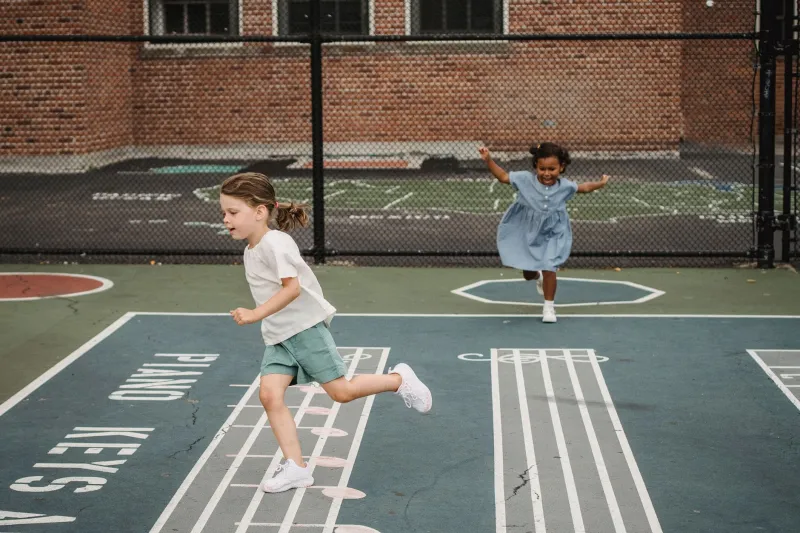
For most of American history, the final school bell of the day meant one thing: freedom. Kids poured out of classrooms and scattered to their neighborhoods, where the next few hours belonged entirely to them. No adult schedules to follow, no assignments to complete, no structured activities waiting.
In 1960, the average American elementary student spent about 15 minutes per night on homework. Middle schoolers might have 30 minutes of work to complete at home. High school students faced perhaps an hour of evening study, and that was considered plenty.
The rest of those afternoon and evening hours? Kids filled them however they wanted. They rode bikes until dinner, built forts in vacant lots, played pickup games that lasted until someone's mother called them home. They were bored sometimes, and that was considered normal — even healthy.
The Homework Explosion
Something dramatic shifted between then and now. Today's elementary students average 2-3 hours of homework per night. Middle schoolers often face 3-4 hours of assignments after school. High school students regularly report 4-6 hours of nightly homework, turning their evenings into extended school days.
This wasn't a gradual change — it was a revolution in how Americans think about childhood and learning. The transformation accelerated in the 1980s and reached fever pitch by the 2000s, driven by competitive anxiety about American students falling behind international peers.
Parents who remembered homework-light childhoods began accepting — and eventually demanding — that their children's evenings be filled with academic work. The assumption became that more homework meant better education, despite research showing little correlation between homework volume and academic achievement for younger students.
When Dinner Tables Were for Talking
The ripple effects extended far beyond individual students. Family dinner conversations, once centered on the day's events and family news, became dominated by homework logistics. "Did you finish your math?" replaced "How was your day?" as the standard evening check-in.
Kitchen tables transformed from gathering places into homework stations. Parents became homework supervisors, spending their own evenings helping with assignments, checking completed work, and managing their children's academic schedules.
The boundary between school and home essentially disappeared. Teachers could assign projects that required family participation, weekend work that consumed entire Saturdays, and summer assignments that followed students through their vacations.
The Professionalization of Childhood
But homework was only part of the story. As academic pressure intensified, parents began filling their children's remaining free time with organized activities designed to build college-worthy resumes.
Soccer practice, piano lessons, debate club, volunteer work, SAT prep — the modern American child's schedule began to resemble a corporate executive's calendar. Free time became something to be optimized rather than enjoyed.
This shift reflected a fundamental change in how Americans viewed childhood. Previous generations saw unstructured time as essential for development. Kids needed to learn how to entertain themselves, resolve conflicts without adult intervention, and discover their own interests through trial and error.
By the 2000s, unstructured time began to feel like wasted time. Parents worried that children who weren't constantly engaged in productive activities would fall behind their peers. The fear of underachievement drove families to pack every available hour with organized learning.
What Research Actually Says
The irony is that decades of educational research have failed to support the homework revolution. Studies consistently show that elementary students gain little academic benefit from homework, while excessive homework can actually harm learning by creating stress and reducing time for sleep, play, and family relationships.
Countries that outperform American students internationally — like Finland — typically assign less homework, not more. Finnish students spend significantly fewer hours on academic work outside of school, yet consistently score higher on international assessments.
Similarly, research on over-scheduled children shows that kids benefit more from unstructured play than from organized activities. Free time allows children to develop creativity, problem-solving skills, and emotional regulation in ways that structured activities cannot replicate.
The Cost of Constant Achievement
Today's generation of American children reports higher levels of anxiety and stress than any previous generation. Mental health professionals point to the elimination of downtime as a contributing factor. Kids who never experience boredom never learn to self-regulate or find internal motivation.
Parents, too, pay a price for the homework-heavy lifestyle. Evenings become battles over assignments rather than opportunities for connection. Family stress increases when every night revolves around academic performance rather than relaxation and relationship-building.
The economic burden is significant as well. Families spend thousands of dollars annually on tutoring, test prep, and organized activities that previous generations managed without. The pressure to keep up academically has created an entire industry built around childhood anxiety.
When Less Was Actually More
The 1960s child who finished homework in 15 minutes and spent the rest of the evening playing wasn't falling behind — they were developing skills that can't be taught through assignments. They learned to negotiate with peers, entertain themselves, and find joy in simple activities.
Those unstructured hours taught patience, creativity, and independence. Kids figured out how to resolve boredom without adult intervention. They discovered personal interests through exploration rather than enrollment.
Most importantly, they learned that their worth wasn't tied to constant achievement. They could simply exist without producing anything, and that was perfectly acceptable.
The challenge for modern families isn't returning to 1960 — it's finding balance between preparation and childhood, between achievement and well-being. Sometimes the best thing we can give our children isn't another activity or assignment, but simply the gift of time.