Mom's Recipe Box Was a Culinary Education. We Threw It Away.
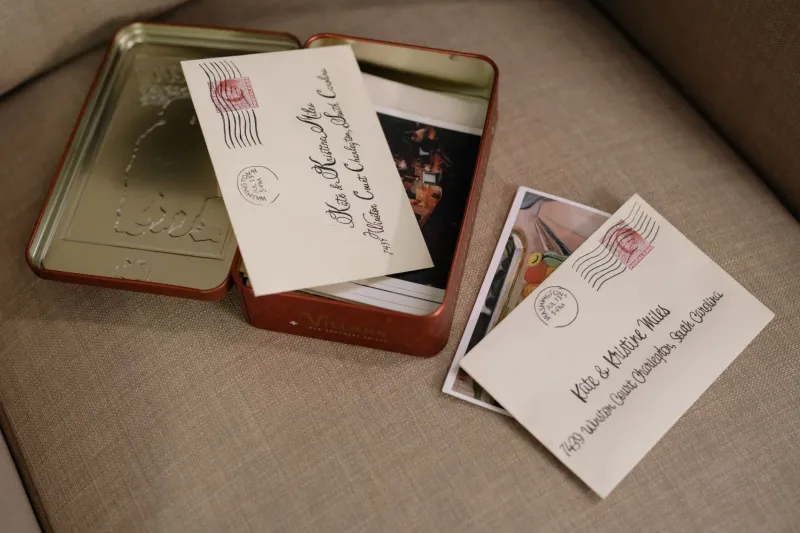
Somewhere in a lot of American attics, there's a dented tin box stuffed with index cards. The handwriting shifts from card to card — different generations, different pens, different levels of urgency. One card says "add more butter than it says" scrawled in pencil along the margin. Another has a grease stain that's basically a historical artifact at this point. A third is barely legible because someone spilled something on it in 1967 and nobody ever replaced it because everyone who needed it already had it memorized.
That box was a curriculum. And most of us threw it away.
The Kitchen Used to Be a Classroom
For the better part of American history, cooking wasn't a hobby or a lifestyle choice or something you watched other people do on television. It was a practical skill passed down through proximity. You learned because you were standing there. You watched your mother make pie crust until you understood — without being formally taught — that overworking the dough was the enemy. You learned to salt pasta water, to test oil temperature with a drop of batter, to know by smell when something was two minutes from burning.
This was apprenticeship without the title. Kids weren't enrolled in cooking classes. They were just in the kitchen, underfoot, assigned small tasks that grew more complex as they got older. By the time a teenager left home in, say, 1955, they could reliably feed themselves and others. Not because of any formal instruction, but because they'd spent years absorbing knowledge in the most efficient classroom ever designed: a working kitchen with dinner on the line.
The recipe cards were part of this system, but they weren't the whole system. They were reminders, not instructions. A card that says "Grandma's pot roast — 325 degrees, 3 hours" means nothing to someone who's never watched pot roast being made. To someone who has, it's a perfect note.
Then Convenience Showed Up
The shift started gradually in the postwar years. Packaged foods had existed before, but the 1950s and '60s brought something different — a genuine cultural embrace of the idea that cooking from scratch was optional. TV dinners. Cake mixes. Campbell's condensed soup as a base for everything. These weren't just products. They were a message: you don't have to do all that.
For exhausted mothers managing households without much help, that message had real appeal. And the food industry was happy to reinforce it. By the 1970s, the average American kitchen was stocking more processed ingredients than raw ones. The skills that went with raw ingredients — how to break down a chicken, how to make stock, how to build a sauce from a pan's drippings — started to feel less essential.
Then came the real accelerant: two-income households became the norm. Time in the kitchen dropped sharply. The daily cooking ritual that had doubled as informal culinary education got compressed into whatever could be assembled fastest on a Tuesday night. Kids who might have spent an hour watching dinner get made now watched it get microwaved. The classroom was still there. The class just wasn't in session.
The Generation That Missed It
By the 1990s, a gap had opened up that nobody officially named but plenty of people quietly noticed. Millions of young adults arrived in their first apartments with essentially no cooking ability. Not because they were incapable — because nobody had ever shown them anything. The transmission had simply stopped.
Food television boomed partly to fill this void. Cooking shows had existed for decades, but the explosion of the Food Network in the mid-'90s reflected something real: people wanted to learn, or at least watch someone else do it. Later, YouTube tutorials democratized instruction further. Then meal kit services arrived with the promise of cooking from scratch without needing to know anything in advance — every ingredient pre-portioned, every step explained, the whole experience engineered so that competence was optional.
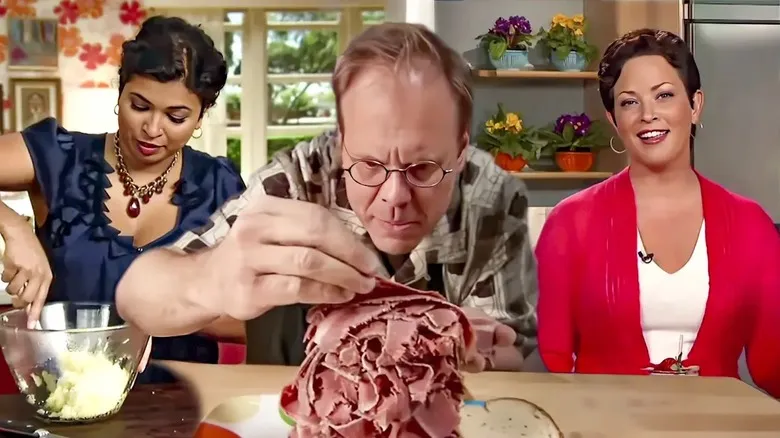 Photo: Food Network, via www.thedailymeal.com
It's a clever solution to a problem the industry helped create. And it works, in a narrow sense. You can produce a decent chicken piccata from a Hello Fresh box without knowing what piccata actually means or how you'd make it again without the kit. Whether that counts as learning to cook is a different question.
What the Recipe Cards Actually Contained
Look closely at those old recipe boxes — the ones that survived — and you notice how much information lives between the lines. A card that says "don't use the big pot" assumes you know which pot that is and why it matters. "Tastes better the next day" is a lesson in how flavors develop. "Daddy doesn't like it too sweet" is a reminder that cooking is fundamentally about feeding specific people, not executing a technique.
The annotations accumulated over decades are a record of how the recipe evolved, who made it, what went wrong, what got fixed. They're living documents. A curated Pinterest board of recipes is not the same thing, no matter how well organized.
The knowledge that lived in those cards — and more importantly, in the hands and instincts of the people who used them — wasn't just about food. It was about resourcefulness, patience, improvisation, and the quiet satisfaction of feeding people well. Those are transferable skills. They just require a kitchen that's actually being used.
Then What Now
There are signs the tide is shifting. Cooking has become genuinely fashionable again. Farmers markets are packed on weekends. Sourdough had a cultural moment during the pandemic that nobody fully predicted. Younger Americans are increasingly interested in knowing where food comes from and how it's made.
But interest isn't the same as fluency. Watching cooking content and actually cooking are different activities. And the casual, daily transmission of kitchen knowledge — the kind that happened not in a class but just because dinner needed to get made — is harder to replicate on purpose than it was to lose by accident.
Somewhere, that tin recipe box is still in an attic. If you're lucky enough to have one, it might be worth taking it down.