The Delivery Man Had Keys to Your House: When Service Came With a Side of Trust
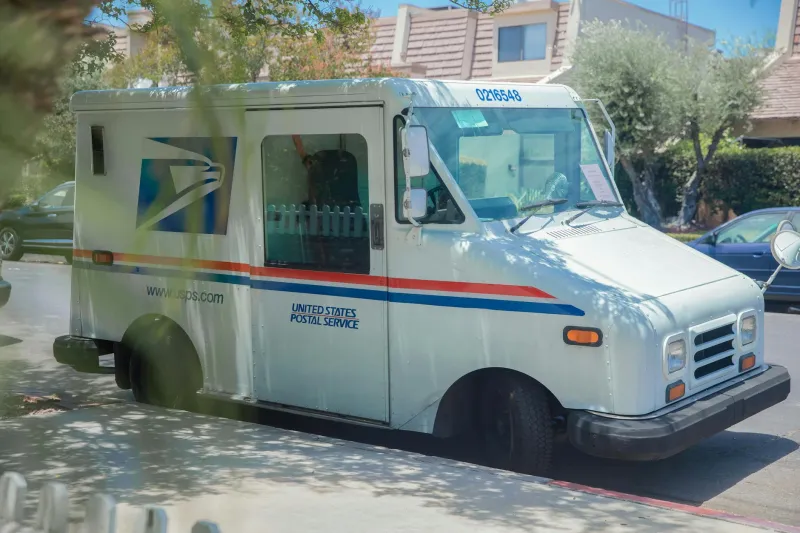
Your DoorDash driver doesn't know your name. Your Amazon delivery person follows GPS coordinates to drop packages on anonymous doorsteps. The gig economy has made getting things delivered faster and more convenient than ever before, but it's also stripped away something remarkable: the era when delivery meant relationships.
For most of American history, the people who brought things to your door weren't anonymous contractors following app instructions. They were neighbors who knew your family, remembered your preferences, and were trusted with your house keys.
The Milkman's Morning Rounds
Every morning before dawn, millions of Americans woke to the gentle clink of glass bottles being placed on their doorsteps. The milkman wasn't just delivering dairy — he was checking on the neighborhood. Empty bottles left out for too many days meant someone might be sick. No bottles at all suggested a family emergency or unexpected travel.
Milkmen knew their customers' routines intimately. Mrs. Johnson always needed extra cream on Sundays for her famous coffee cake. The Peterson family went through twice as much milk during school months. The elderly Mr. Walsh preferred his bottles left inside the screen door because his arthritis made it hard to bend down.
This wasn't just customer service — it was community care. Milkmen often served as informal welfare checkers, alerting families when elderly neighbors seemed to be struggling or hadn't collected their delivery in several days.
The Iceman's Cold Logic
Before electric refrigeration became standard, the iceman was essential to American domestic life. He didn't just deliver frozen blocks — he managed the rhythm of food preservation for entire neighborhoods.
Families displayed cards in their windows indicating how much ice they needed: 25, 50, 75, or 100 pounds. The iceman read these signals like a neighborhood census, understanding which families were entertaining guests, preserving large harvests, or struggling financially and cutting back on ice purchases.
Many icemen had keys to their customers' homes, letting themselves in to place ice directly in the icebox. This level of trust was standard, not exceptional. These men were known quantities — often second or third-generation ice dealers who'd inherited routes along with reputations.
The Grocery Boy's Weekly Visits
Before supermarkets dominated American shopping, many families ordered groceries by phone and had them delivered by bicycle or truck. The grocery boy — often a teenager working after school — became a fixture in residential neighborhoods.
These young men knew every family's preferences and dietary restrictions. They'd remember that the Kowalskis kept kosher, the Andersons were trying to lose weight, and little Susie Miller was allergic to strawberries. They'd suggest substitutions when items were out of stock and alert customers to sales on products they regularly purchased.
The grocery boy often collected payments, managed running tabs, and served as a communication link between stores and customers. He might deliver messages along with groceries: "Mrs. Patterson, the butcher wanted you to know the pot roast you ordered will be ready Thursday."
The Laundry Man's Weekly Ritual
Before washing machines became household staples, laundry services sent drivers on regular routes to collect dirty clothes and return them clean and pressed. These weren't just pickup and delivery services — they were wardrobe consultants.
Laundry drivers knew which businessman needed his shirts starched extra stiff, which housewife preferred her husband's work clothes pre-treated for grease stains, and which family saved money by washing everyday items at home but sent only special occasion clothes to the service.
They'd notice changes in a family's laundry patterns that might indicate new babies, job changes, or financial troubles. A sudden decrease in formal wear might mean someone had lost white-collar employment. An increase in children's clothes suggested growing families or visiting relatives.
The Coal Man's Seasonal Strategy
Heating American homes once required regular coal deliveries, and coal men developed relationships that lasted decades. They knew each house's heating patterns, which families kept their homes warmest, and who tried to stretch deliveries by burning less coal during mild weather.
Coal men often provided credit during tough times, understanding that heat was a necessity that couldn't wait for payday. They'd deliver smaller amounts more frequently for families managing tight budgets, or provide extra coal before big storms when families would be housebound for days.
These relationships were built on mutual dependence. Customers needed reliable fuel delivery; coal men needed steady customers to make their routes profitable. Trust was the currency that made the system work.
The Trust Economy
What's most striking about this era isn't just the personal service — it's the extraordinary level of trust involved. Delivery people had house keys, knew family schedules, and were often authorized to make decisions on customers' behalf. The milkman might leave extra bottles before a holiday weekend. The grocery boy could substitute items when the ordered product wasn't available.
This trust was earned through consistency and community connection. These weren't faceless corporations — they were local businesses where the owner's reputation was tied directly to employee behavior. A milkman who violated customer trust didn't just lose his job; he damaged his employer's standing in the community.
The Efficiency Revolution
Modern delivery has optimized for speed, cost, and convenience. Apps track drivers in real-time. Algorithms optimize routes for maximum efficiency. Customers can get almost anything delivered within hours, often without human interaction.
We've gained incredible convenience but lost the relationships that once came with service. Today's delivery drivers are rated by customers they'll likely never see again. They follow GPS routes through neighborhoods where they know nobody's name.
The efficiency is remarkable, but it's also anonymous. Your delivery driver doesn't know you're diabetic and shouldn't get the regular Coke you accidentally ordered. They won't notice if you seem unwell or haven't been collecting packages. They're not invested in your family's wellbeing because they're not part of your community.
What Progress Costs
The old delivery economy wasn't perfect. It was less efficient, more expensive, and sometimes intrusive. Customers had less privacy and fewer choices. Service quality depended on individual relationships rather than systematic standards.
But something valuable was lost when delivery became a gig economy transaction. The people who serviced American homes once knew their customers as individuals with preferences, problems, and personalities. They provided not just products but also community connection, informal care, and personal attention.
Today's delivery economy serves us faster and cheaper than ever before. But it no longer knows our names, remembers our stories, or cares about our wellbeing. We've traded relationships for efficiency, community for convenience.
The next time a package appears on your doorstep, delivered by someone whose name you'll never know, remember: there was once a time when the people who served your home were neighbors who cared about more than just making the delivery. They cared about making the community work.