Before Google, There Was Grit: How Americans Actually Found Information
The Great Information Hunt
Your kid asks you how fast a cheetah can run. You pull out your phone and have the answer in three seconds: 70 mph. Done.
Thirty years ago, that same question would have launched a multi-step expedition that might take hours or days. You'd need to remember the question long enough to get to a library, navigate a complex filing system, hope the right book was available, and possibly discover three other interesting facts along the way.
Every piece of information was a small treasure hunt.
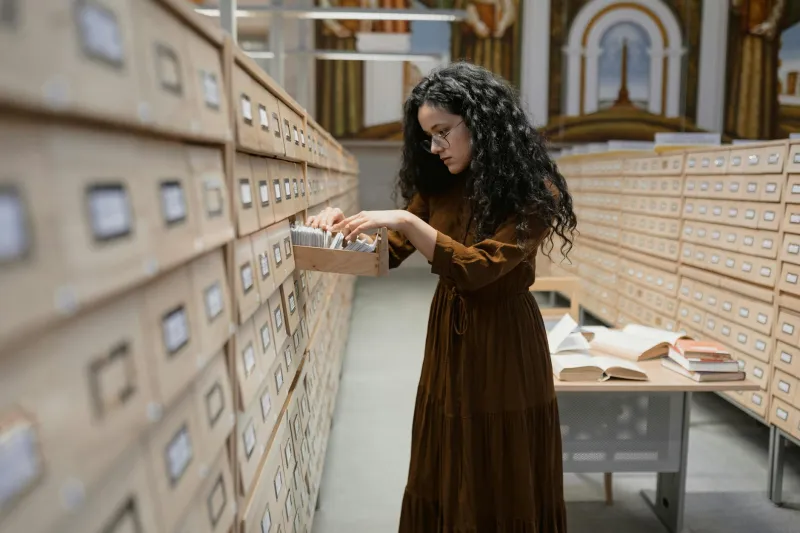
The Card Catalog: America's Paper Internet
The heart of any research mission was the card catalog — rows of wooden drawers containing thousands of index cards, each representing a book in the library. These weren't just filing systems; they were the interface between human curiosity and human knowledge.
To find information about cheetahs, you'd:
- Walk to the appropriate drawer ("C" for cheetah, or maybe "A" for animals)
- Flip through hundreds of cards by hand
- Write down call numbers on a scrap of paper
- Navigate the library's maze-like shelving system
- Hope the book was actually on the shelf
- If not, repeat the process with different search terms
The card catalog was simultaneously primitive and sophisticated — a physical search engine that required you to think like a librarian.
The Encyclopedia Expedition
For quick facts, families invested in encyclopedia sets — 20 or 30 heavy volumes that cost as much as a used car. Encyclopedia Britannica salespeople went door-to-door like vacuum cleaner salesmen, because knowledge was that valuable.
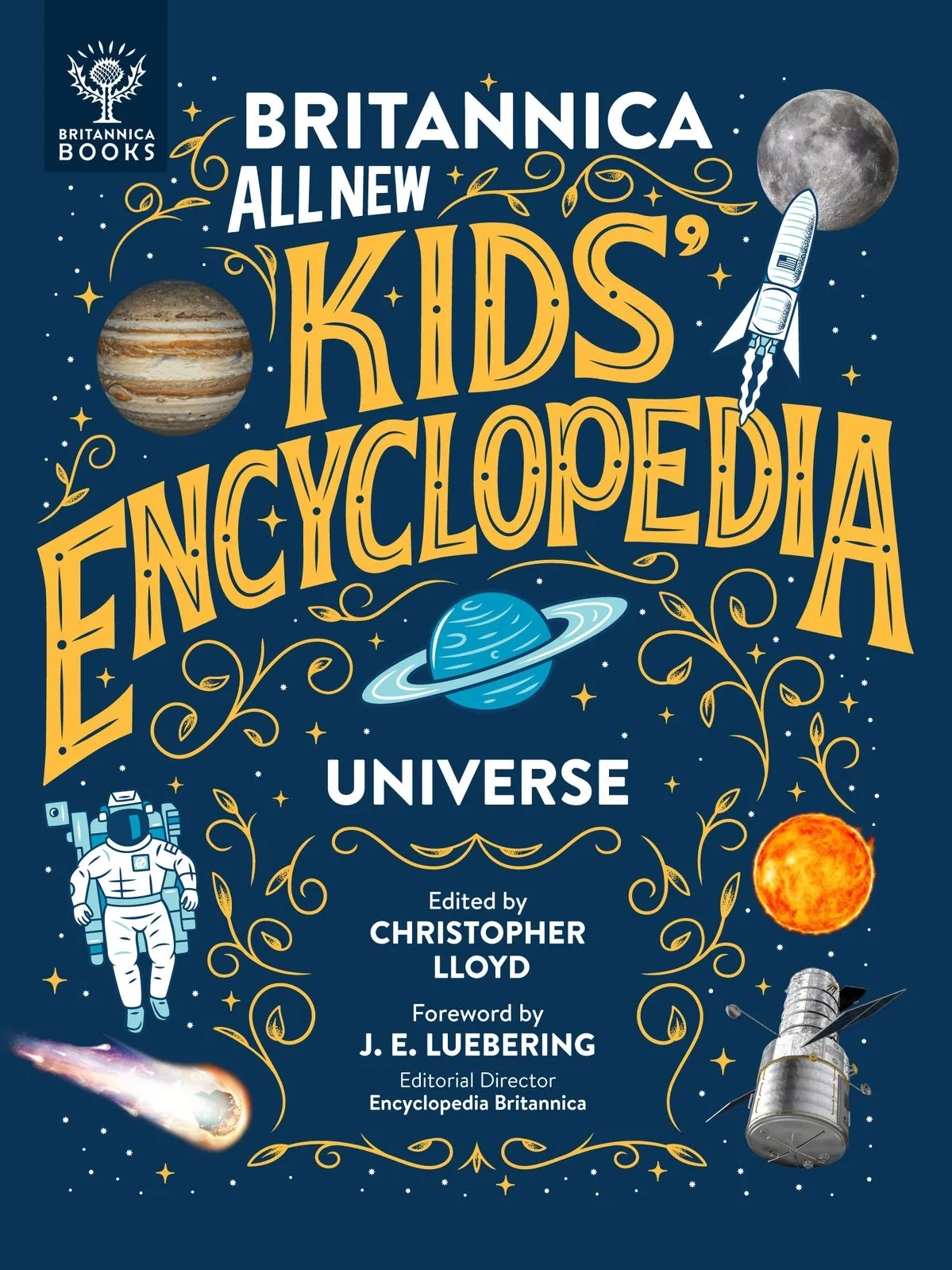 Photo: Encyclopedia Britannica, via cdn.kobo.com
These weren't just reference books; they were family treasures. Parents pointed to the encyclopedia shelf with pride. Kids were directed there for homework help. The annual encyclopedia update was a household event.
But encyclopedias had limitations. The information was often years out of date by the time it was printed. And if you needed something specific that wasn't covered in those 30 volumes, you were back to the library.
The Reference Librarian: Human Search Engine
Librarians weren't just book organizers — they were professional information hunters. A good reference librarian could track down almost anything, but it required a conversation.
"I need to know about cheetahs." "What specifically about cheetahs?" "How fast they run." "For a school report or personal interest?" "School report." "What grade level?" "Fifth grade."
The librarian would then construct a research strategy, pointing you toward the right combination of encyclopedias, books, magazines, and possibly suggesting you call the local zoo.
This human-mediated search often led to better results than what you originally asked for, but it required patience and social skills.
The Phone Call Investigation
For current information, Americans became detectives. Settling a bar argument about baseball statistics meant:
- Calling the local newspaper's sports desk
- Trying the library's reference line
- Calling a friend who "knew about sports"
- Waiting until the next day to check the sports almanac
Business information required calling the company directly and hoping someone would answer your questions. Medical questions meant calling your doctor's office and waiting for a callback.
Every phone call was a small social interaction. You had to explain who you were, why you needed the information, and hope the person on the other end was helpful.
The Magazine Quest
For recent developments, magazines were the internet of their day. But finding the right article meant:
- Remembering which magazine might have covered the topic
- Locating back issues (libraries kept them, but not always)
- Using printed indexes like the Reader's Guide to Periodical Literature
- Hoping the article actually contained what you needed
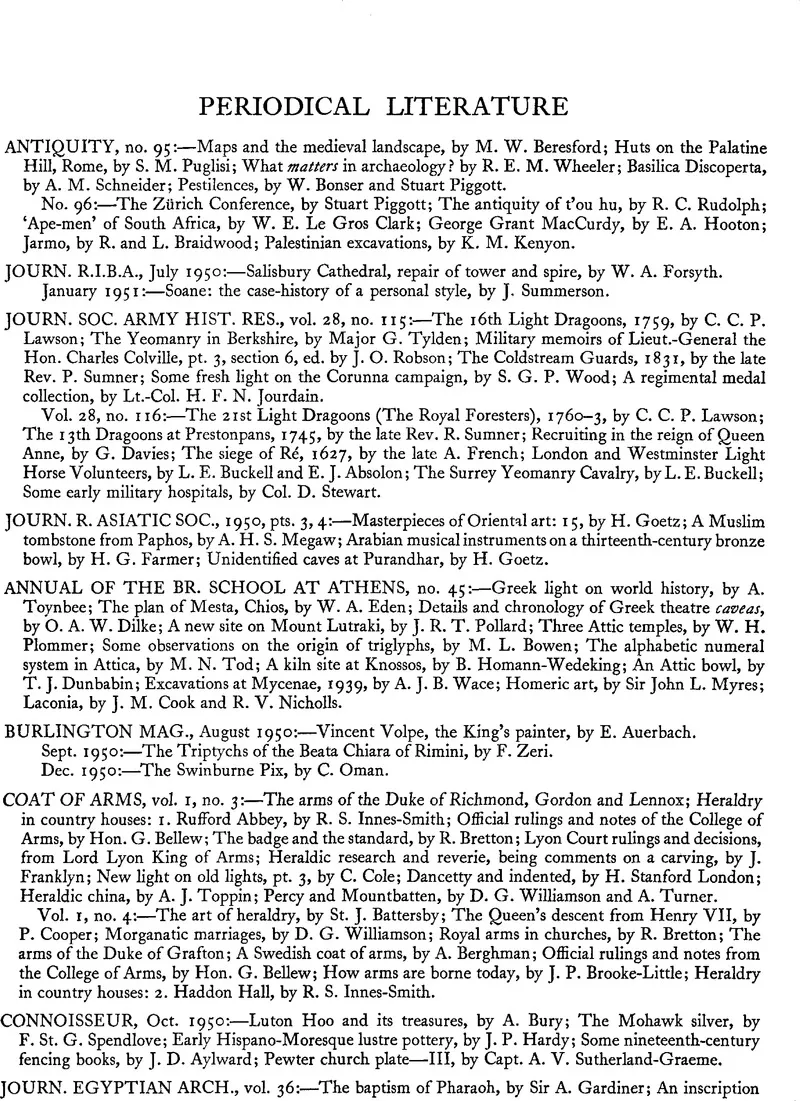 Photo: Reader's Guide to Periodical Literature, via static.cambridge.org
A single fact-checking mission might require consulting multiple magazines, cross-referencing dates, and taking notes by hand.
The Experts and Enthusiasts
Americans developed networks of human resources. Every community had:
- The guy who knew everything about cars
- The woman who could identify any plant
- The local historian who remembered everything
- The teacher who always had the right textbook
Finding information often meant finding the right person and convincing them to share their knowledge.
The Waiting Game
Perhaps the biggest difference was time. Information gathering required:
Planning: You couldn't research on impulse. Libraries had hours. Books had to be returned.
Patience: Interlibrary loans took weeks. Encyclopedias were updated annually.
Persistence: If one source didn't have what you needed, you started over somewhere else.
Memory: You had to remember questions long enough to get to a place where you could research them.
The Accidental Education
The friction in finding information created unexpected benefits. While looking up cheetah speeds, you might discover:
- Other interesting animals in the same book
- Related topics you never thought to explore
- The pleasure of browsing without a specific goal
- Conversations with librarians and other researchers
The journey often became as valuable as the destination.
The Homework Advantage
Kids whose families owned encyclopedias or lived near good libraries had significant advantages. Access to information wasn't equal, and research skills were actually skills that required practice and teaching.
Students learned to:
- Plan research projects in advance
- Use multiple sources
- Take comprehensive notes
- Synthesize information from different places
These weren't just academic exercises — they were life skills.
Then What Now?
We gained instant access to infinite information, but we lost something harder to quantify: the satisfaction of the hunt, the serendipity of discovery, and the social connections that came from asking humans for help.
Our ancestors had to work for every fact, which may have made them value information differently. When answers were hard to find, people asked fewer but more thoughtful questions.
Today, we can answer any question instantly, but we've also trained ourselves to expect instant answers. The idea of spending an afternoon at the library to settle a simple dispute seems as antiquated as sending a telegram.
Whether this represents pure progress or something more complicated probably depends on whether you think the journey matters as much as the destination.
After all, your grandfather might not have been able to Google the speed of a cheetah, but he probably knew his way around a library, could carry on a conversation with a reference librarian, and understood that some questions are worth the effort it takes to answer them.