The Man Behind the Counter Who Knew More About You Than Your Doctor Did

Somewhere between the soda fountain and the back shelves lined with amber bottles, the American corner drugstore quietly did something remarkable. It kept communities healthy without anyone calling it healthcare.
For most of the twentieth century, the neighborhood pharmacist wasn't a pill counter standing behind a plexiglass window. He was a fixture. A familiar face who knew your name, knew your kids' names, and probably knew which ailments ran in your family before you did. That level of intimate, localized care didn't come from a medical degree. It came from decades of showing up on the same corner, mixing the same remedies, and listening to the same neighbors.
Then consolidation came. And with it, the transaction replaced the relationship.
The Pharmacy as Community Institution
In the 1930s through the 1960s, the corner drugstore occupied a unique space in American life. It wasn't just a place to pick up medicine — it was a social hub. Most had soda fountains where teenagers nursed cherry Cokes and elderly couples split egg salad sandwiches. Pharmacists knew their regulars the way a bartender knows the Thursday night crowd.
But the real distinction was what happened behind the counter. Compounding — the practice of mixing medications from raw ingredients to meet a specific patient's needs — was simply how pharmacy worked. If your doctor prescribed something, the pharmacist made it. Tailored to your weight, your age, your particular condition. There was no universal 500mg tablet pulled from a factory shelf. There was a mortar, a pestle, and a man who understood chemistry.
That meant the pharmacist had to know you. Not your insurance ID number. You.
The Informal First Line of Care
Here's something the modern healthcare system doesn't like to advertise: for millions of working-class Americans in the mid-twentieth century, the pharmacist was the doctor. Not legally, and not always safely by today's standards, but practically speaking, the corner drugstore was where you went before you booked an appointment.
You'd walk in with a cough, a rash, a fever that wouldn't break. The pharmacist would ask questions — real questions, not a clipboard questionnaire — and either recommend something from the shelves or tell you plainly that you needed to see a physician. That triage function was informal, unregulated, and often exactly what people needed.
Pharmacists of that era occupied a strange and trusted middle ground. They had genuine scientific training. They understood drug interactions and dosages in ways most general practitioners didn't always have time to explore. And because they weren't billing by the visit, there was no financial incentive to rush you out the door.
Trust was the product. And it was free.
What Consolidation Actually Did
The shift began quietly in the 1970s and accelerated hard through the 1980s and '90s. Chain pharmacies — Walgreens, Rite Aid, Eckerd, and eventually CVS — expanded aggressively, buying out independent operators or simply outlasting them on price. The economics were brutal and simple: a chain could negotiate better wholesale rates, automate repetitive tasks, and spread overhead across hundreds of locations.
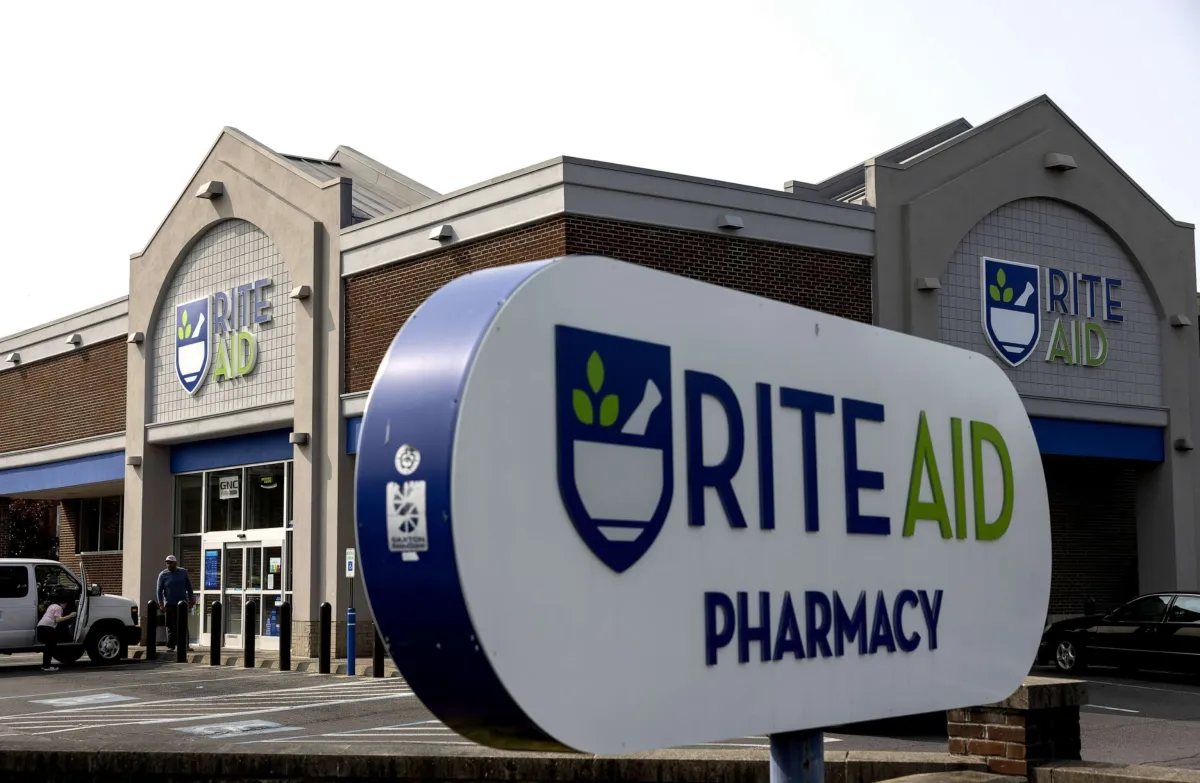 Photo: Rite Aid, via i.abcnewsfe.com
Compounding didn't disappear entirely, but it was pushed to the margins. Pre-manufactured pills from pharmaceutical companies were cheaper, faster, and easier to dispense at scale. The mortar and pestle became a relic. The soda fountain was the first thing to go.
By the 2000s, the average pharmacy interaction had been redesigned around efficiency. You dropped off a prescription, you waited, you picked it up. If you had a question, you might get two minutes with someone behind a counter who had fifteen other prescriptions queued and a drive-through window to manage simultaneously.
Nobody was wrong, exactly. The system got faster. Prices dropped. Medications became more consistent and reliable. But something else got optimized out of existence.
The Thing That Got Lost in the Efficiency
It's easy to romanticize the past, and this is exactly the kind of story where that temptation runs hot. The old corner drugstore wasn't perfect. Compounded medications varied in quality. Some pharmacists gave advice they had no business giving. The soda fountain was charming, but it wasn't medicine.
Still, what the old model had — and what the modern pharmacy chain fundamentally cannot replicate — was continuity. The same pharmacist, year after year, building a picture of your health across time. Noticing that you'd been in three times this winter for respiratory issues. Flagging that two medications your doctors prescribed might interact badly. Knowing that your elderly father had trouble with childproof caps and quietly switching him to easy-opens without being asked.
That kind of institutional memory doesn't live in a database. It lives in a person who's been paying attention.
Today, Americans fill prescriptions at whichever pharmacy is closest, cheapest, or most convenient. Many use mail-order services and never interact with a pharmacist at all. Medication therapy management programs try to recreate some of what was lost, with pharmacists reviewing drug regimens over the phone or via telehealth. It's well-intentioned. It's also a pretty thin substitute for the guy who watched you grow up.
Then What Now
The corner drugstore didn't vanish because it failed. It vanished because something faster and cheaper came along and won on those terms. That's a familiar American story.
But the next time you wait twenty minutes for a prescription at a chain pharmacy while a recorded voice announces your number, it's worth asking what the transaction cost beyond the copay. Somewhere in the gap between then and now, a relationship got automated. And nobody sent a notice that it was leaving.