An Hour With Your Doctor: The Unhurried Checkup America Quietly Abandoned
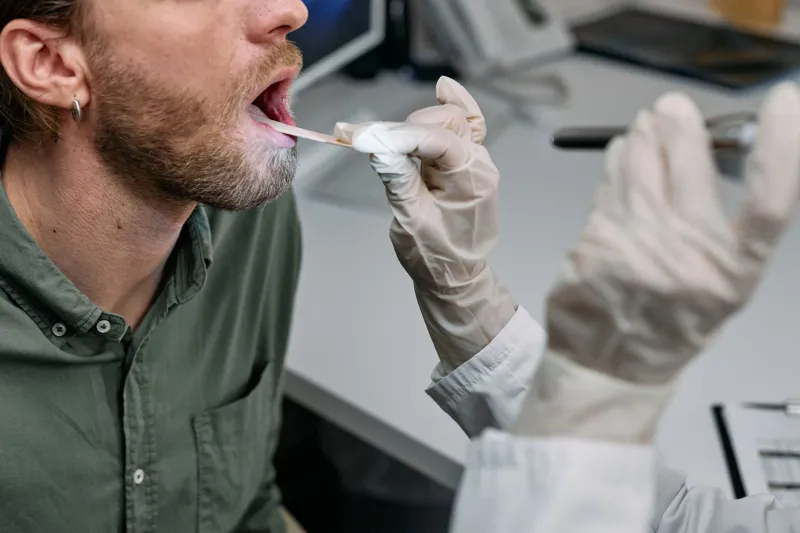
Somewhere between the postwar boom and the age of online appointment booking, the American physical exam stopped being a ritual and became a transaction. You know the drill now: check in, wait, get weighed, answer a few questions, shake hands, leave. The whole thing wraps up before your parking meter expires. But it wasn't always this way — and the gap between then and now is wider than most people realize.
The Appointment That Took All Morning
In the 1950s and '60s, the annual physical was treated with genuine seriousness. It wasn't something you squeezed between meetings. You cleared your morning. Your doctor — almost certainly someone who had known you for years, who had maybe delivered your children or treated your parents — would take his time working through a thorough head-to-toe assessment. Blood pressure, reflexes, lung sounds, abdominal palpation, a conversation about your diet, your sleep, your stress levels, your marriage.
That last part sounds almost quaint now. Your marriage. But mid-century physicians were trained to understand that health didn't exist in isolation from the rest of a person's life. They asked. They listened. They took notes in longhand. The appointment wasn't a data-collection exercise — it was a relationship check-in with a medical component built in.
Results, when they came, often arrived by mail a few days later. A typed letter, sometimes handwritten at the bottom, explaining what the bloodwork showed and what your doctor thought you should do about it. That letter sat on the kitchen counter. People read it more than once.
What a Twelve-Minute Visit Can and Can't Do
The average primary care appointment in the United States today runs somewhere between 13 and 16 minutes, depending on which study you read. Some research puts it closer to 12. That's not enough time to cover a patient's full medical history, discuss chronic conditions, review medications, address mental health concerns, and still leave room for the kind of open-ended conversation that sometimes surfaces the most important information of all.
This isn't a criticism of doctors, who are working inside a system that rewards volume over depth. A primary care physician seeing 20 to 25 patients a day — which is increasingly standard — simply cannot give each one the kind of attention that was once considered baseline. The math doesn't work. And patients, for their part, often don't push back. They arrive with a prepared list of concerns and feel lucky if they get through half of it before someone's hand is on the door.
The preventive medicine conversation has largely moved to questionnaires filled out on a tablet in the waiting room. A nurse takes your vitals. The doctor reviews your chart on a screen, not from memory. It's efficient. It's also a fundamentally different kind of care.
The Relationship Was the Point
What made the mid-century physical more than just a medical procedure was continuity. Your doctor knew you. Not your chart — you. He knew that your father had died of a heart attack at 58, that you'd been under pressure at work, that you'd put on weight the year your mother got sick. That context shaped how he interpreted what he was seeing. A slightly elevated blood pressure reading meant something different coming from someone he'd watched navigate a difficult year.
That kind of longitudinal knowledge is hard to replicate in a system where patients frequently change providers, where specialists handle different pieces of a person's health without much coordination, and where a same-day telehealth appointment with someone you've never met has become a perfectly normal way to seek medical care.
None of those things are inherently bad. Telehealth has expanded access in ways that genuinely matter, particularly in rural areas and for people with limited mobility. Specialization has saved lives. But something real was lost when the generalist who knew your whole story became a rarer and rarer figure in American medicine.
When Prevention Was Actually Personal
The annual physical used to function as a genuine early warning system precisely because it was relational. A doctor who saw you every year for a decade could notice gradual changes — a slight shift in your energy, a change in your color, something in the way you described your sleep — that no algorithm would flag because no algorithm had the baseline.
Modern medicine has extraordinary diagnostic tools. Imaging, genetic testing, bloodwork panels that would have seemed like science fiction in 1960. And yet Americans are not obviously healthier for all that technology in the ways you might expect. Chronic disease rates have climbed. Preventable conditions go undetected. People cycle through urgent care clinics for issues that a long-term relationship with a single physician might have caught earlier.
The irony is that we have more data about our health than any generation in history — fitness trackers, continuous glucose monitors, apps that log every symptom — and yet many Americans feel less known by their doctors than their grandparents did.
Then What Now
The annual physical hasn't disappeared. But it has been compressed, systematized, and stripped of the unhurried quality that once made it genuinely useful. The hour-long appointment that felt like a conversation has become a 15-minute assessment that feels like a form being filled out.
That's not entirely medicine's fault. It's a product of how American healthcare is structured, funded, and incentivized. But understanding what changed — and what that change cost — is the first step toward asking whether we want it back. Some things that look like progress are really just speed. And when it comes to your health, the difference between a doctor who rushes and one who listens might be the most important difference there is.