Where America Used to Hang Out: The Mall as Social Headquarters

Every Friday night at 7 PM, the same ritual played out in shopping malls across America. Teenagers would arrive in groups, circle the food court, check out the record store, and spend hours doing essentially nothing—except existing in the same space as hundreds of other people doing the same thing.
This wasn't shopping. This was American social life.
The Mall as Public Square
For three decades, from the 1970s through the 1990s, the American shopping mall served a function that went far beyond retail. It was the town square for a suburban nation, the place where different generations, economic classes, and social groups encountered each other in ways that rarely happened anywhere else.
Families would arrive on Saturday afternoons not with shopping lists, but with time to fill. Parents might browse department stores while kids gravitated toward the arcade or the record store. Elderly mall walkers would arrive early, using the climate-controlled corridors for exercise and conversation. Teenagers would claim tables near the Orange Julius, establishing territories that shifted throughout the day based on complex social dynamics.
 Photo: Orange Julius, via www.simplyhappenings.com
The mall provided something that seems almost impossible to imagine today: a shared physical space where Americans could be bored together. You might spend three hours at the mall and buy nothing more than a soft pretzel, but you'd leave having observed dozens of interactions, overheard conversations, and participated in the basic human activity of being around other people.
The Ecosystem of Hanging Out
Each section of the mall served a different social function. The food court was neutral territory where different high school cliques might occupy neighboring tables. The department stores drew families and older shoppers. The music store attracted teenagers who would spend hours listening to albums they couldn't afford.
The arcade was its own universe, where social hierarchies were determined by high scores on Pac-Man and Street Fighter. The bookstore provided refuge for introverts who wanted to be around people without having to interact. The toy store drew families with young children, creating intergenerational mixing that happened naturally rather than by design.
Security guards knew the regular teenagers by name and understood their role as unofficial social workers, breaking up fights but also providing a stable adult presence for kids who might not have that elsewhere. Store employees became familiar faces, creating the kind of weak social ties that sociologists now recognize as crucial for community cohesion.
The Economics of Loitering
What made the mall work as social infrastructure was an economic model that tolerated—even encouraged—non-purchasing visitors. Mall owners understood that teenagers hanging out today might become adult customers tomorrow. The presence of people created the atmosphere that made shopping feel social rather than transactional.
Stores were designed for browsing. You could spend an hour in the record store listening to music, trying on clothes without buying them, or testing video games without any pressure to purchase. The social experience was part of the product, and businesses built their models around extended visits rather than quick transactions.
This tolerance for non-productive time seems almost quaint now. Today's retail spaces are optimized for efficiency: get in, buy something, get out. The idea of a business model that profits from people who aren't buying anything has largely disappeared.
The Digital Migration
When Americans moved their social lives online, the mall lost its primary function. Why spend gas money to drive to a central location when you could connect with friends through instant messaging? Why browse for music at Sam Goody when you could download songs at home? Why people-watch at the food court when social media provided an endless stream of human observation?
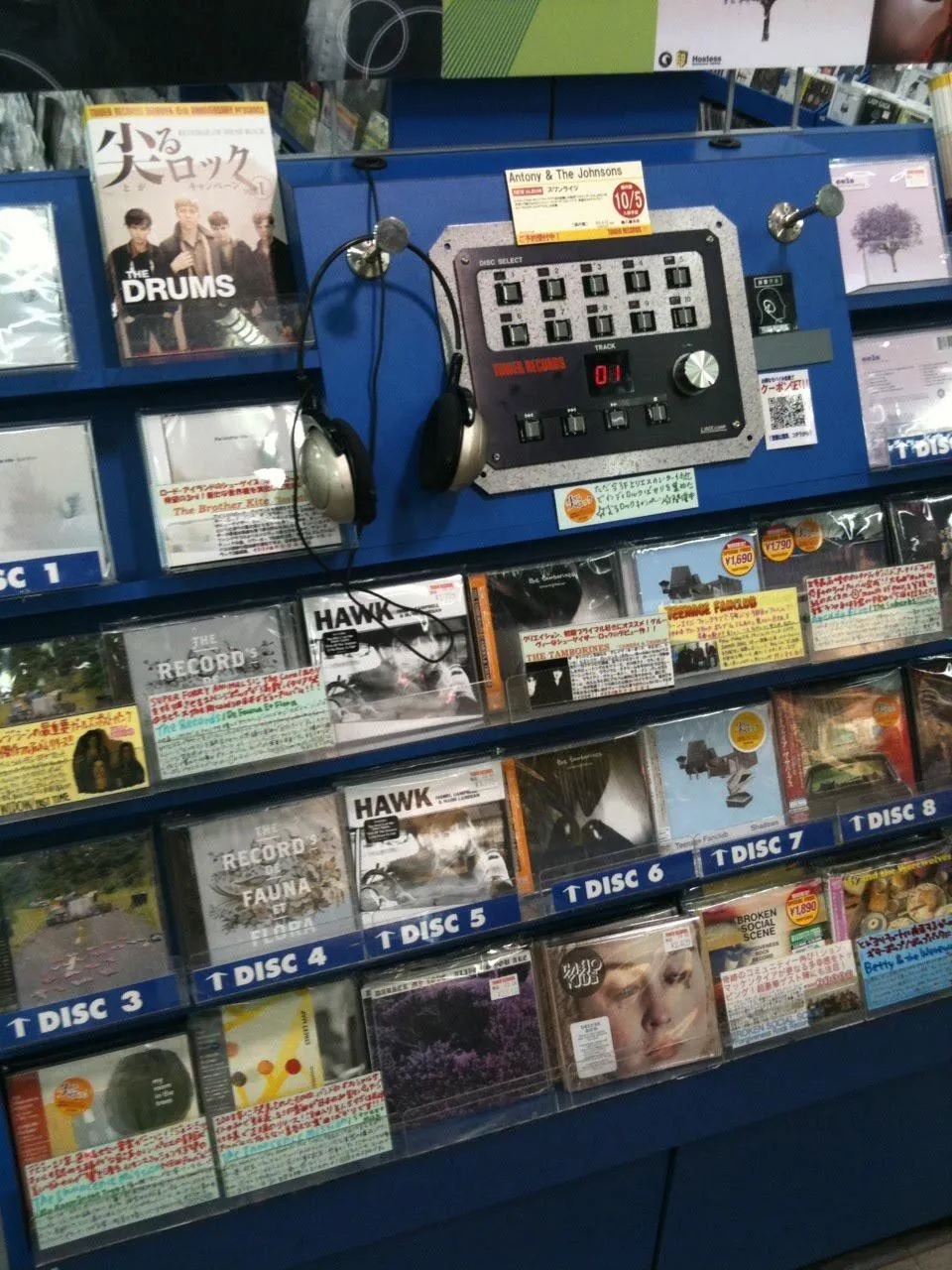 Photo: Sam Goody, via i.redd.it
The shift happened gradually, then suddenly. Teenagers who once spent Friday nights at the mall began spending them on MySpace, then Facebook, then Instagram. The physical gathering place that had defined American youth culture for a generation became irrelevant almost overnight.
Online spaces offered everything the mall had provided—social interaction, entertainment, the ability to see and be seen—with the added benefits of convenience and control. You could curate your social experience, avoiding the awkward encounters and social friction that were inevitable parts of mall life.
What We Lost in Translation
But something crucial was lost in the migration from physical to digital spaces. The mall forced Americans to encounter people they wouldn't choose to interact with online. The goth kids, the jocks, the mall walkers, and the young families all shared the same space, creating a form of social mixing that rarely happens in our increasingly segmented digital world.
The mall also provided what sociologists call "third places"—spaces that aren't home or work but serve essential social functions. These places allow for the kind of casual, low-stakes social interaction that builds community connections. Online spaces can facilitate intense relationships, but they struggle to replicate the ambient sociability that happened naturally in mall corridors.
Young Americans today often report feeling lonely despite being more connected than any generation in history. They have hundreds of online friends but few places to simply exist alongside other people without the pressure of planned activities or curated interactions.
The Search for New Gathering Places
Some communities are trying to recreate what the mall provided. Coffee shops, community centers, and mixed-use developments attempt to serve as modern third places. But these spaces often cater to specific demographics rather than bringing different groups together.
The closest thing many young Americans have to the mall experience might be college campuses, which still provide spaces for unstructured social interaction. But after graduation, those spaces disappear, leaving many adults without any equivalent to the teenage gathering place that once seemed so natural.
Then What Now?
The mall as social infrastructure is gone, and it's not coming back. Online spaces provide conveniences and connections that physical spaces never could. But in losing our shared gathering places, we've also lost something essential about how Americans learn to be around each other.
The question isn't whether we can rebuild the mall culture of the 1980s, but whether we can create new forms of social infrastructure that provide what the mall once did: spaces where different kinds of people can encounter each other, where being bored together is acceptable, and where the basic human need for ambient social contact can be satisfied.
Because while we've gained infinite entertainment options and global social networks, we've lost something simpler and perhaps more fundamental: places where Americans could just hang out.