The $2,000 Dream Machine: When Middle America Could Actually Afford the Good Life
The Price Tag That Built a Nation
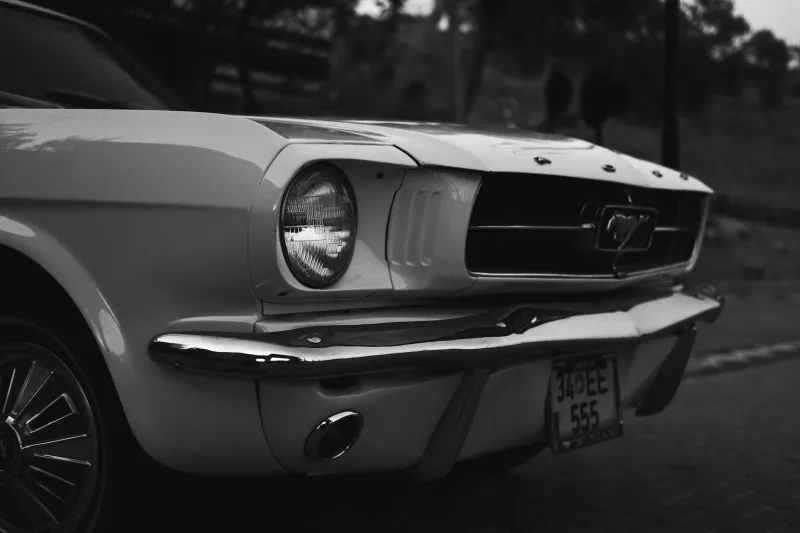
In 1965, a factory worker in Detroit could walk into a Ford dealership, slap down $2,372, and drive home in a brand-new Mustang. That same worker was making about $5,200 a year, which meant America's newest sports car cost roughly 45% of his annual salary — or about two months of take-home pay.
Today, that same scenario would require a middle-class American to fork over nearly $25,000 for a comparable entry-level sports car, while the median household income hovers around $70,000. Do the math, and you'll find that same car now eats up more than a third of an entire year's gross income — before taxes.
This isn't just about cars. It's about how America quietly priced out its own middle class from the life their parents took for granted.
When Everything Was Within Reach
The 1960s and early 1970s weren't just different because of the music and the hair. They represented the tail end of an economic era when ordinary Americans could afford extraordinary things without destroying their financial futures.
A Zenith color television in 1970 cost about $500 — roughly one week's pay for a middle-income family. Today's equivalent 55-inch smart TV would cost the same relative amount, but here's the catch: everything else got expensive at the same time. Housing, healthcare, and education costs have exploded far beyond what wages could match.
Consider college tuition. In 1970, a year at a four-year public university cost about $1,200 — manageable for a family earning $9,000 annually. Today, that same education runs over $25,000 per year while median household income has only tripled, not kept pace with the twenty-fold increase in tuition costs.
The Great Affordability Collapse
Somewhere between then and now, the American economy performed a magic trick. It made everything look cheaper while making it infinitely harder to buy.
Credit cards didn't become widespread until the 1980s. Before then, if you couldn't afford something, you simply didn't buy it. Families saved for months to purchase a new refrigerator or washing machine. The concept of financing a vacation or putting groceries on credit would have seemed absurd.
This forced a different relationship with money and possessions. When a new Maytag washer cost $300 in 1965 — about two weeks of median income — families researched their purchase, expected it to last decades, and treated major appliances like the significant investments they were.
Housing: The Dream That Drifted Away
Perhaps nowhere is this shift more dramatic than in housing. In 1970, the median home price was $17,000 while median household income was $8,700. That's a ratio of about 2-to-1, meaning the average American family could realistically expect to buy a house for roughly twice their annual income.
Fast-forward to today, and that ratio has exploded to nearly 5-to-1 in many markets, with some coastal cities seeing ratios of 8-to-1 or higher. The same $17,000 house from 1970, adjusted for inflation, should cost about $125,000 today. Instead, median home prices have soared past $400,000 nationally.
This means a purchase that once required two years of saving now demands five to eight years — if you can save at all while paying today's rent prices.
The Invisible Weight of Modern Life
What changed wasn't just prices. It was the entire structure of how Americans live and spend.
In 1965, the average family spent about 10% of their income on healthcare. Today, that figure approaches 20%, and that's with employer-provided insurance. Add in student loan payments — virtually nonexistent in the 1960s — and modern families face financial pressures their grandparents never imagined.
The result is a generation that makes more money than any in history but feels perpetually broke. They're not imagining it. When housing, healthcare, and education consume 70% of household income before you buy your first gallon of gas, the math simply doesn't work the way it used to.
The Financing Revolution
Credit became the great American solution to unaffordable America. Can't buy a car outright? Finance it over seven years. Can't afford college? Take out loans. Can't buy a house? Stretch that mortgage to 30 years and hope for the best.
This system works until it doesn't. The average American now carries over $6,000 in credit card debt, while their grandparents' generation paid cash for almost everything except their homes.
What We Lost in Translation
The shift from an affordable to a financed economy changed more than just how we buy things. It changed how we think about ownership, debt, and financial security.
When major purchases required months of saving, people developed different relationships with their possessions. They repaired instead of replaced, researched instead of impulse-bought, and understood the true cost of their choices.
Today's economy encourages the opposite. Why save for six months when you can have it today for just $99 a month? The monthly payment economy has made everything seem affordable while making financial security nearly impossible.
The Road Back
Some economists argue this shift was inevitable — that global competition, technological change, and demographic trends made the 1960s economy unsustainable. Others point to policy choices around taxation, regulation, and monetary policy that gradually tilted the playing field away from ordinary workers.
The truth probably lies somewhere in between. But the numbers don't lie: America built a middle class by making middle-class purchases affordable, then slowly dismantled that system without most people noticing until it was too late.
Understanding this history doesn't solve today's affordability crisis, but it does reveal something important: the current situation isn't natural or inevitable. It's the result of choices, which means different choices could lead to different outcomes.
The question isn't whether Americans today are less capable or hardworking than their grandparents. It's whether we're willing to build an economy that works for them the way it once worked for previous generations.