The Patience Economy: When Americans Saved First and Bought Later
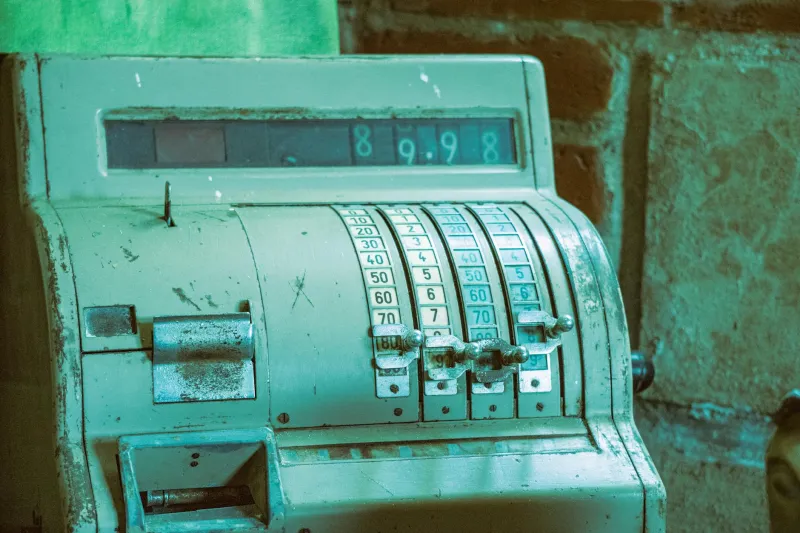
Walk into any major retailer today and try to explain layaway to a teenage cashier. Watch their confusion as you describe a system where customers paid for items in installments over months before ever taking them home, where wanting something and getting it were separated by weeks or months of patient saving, where the act of purchasing required planning, discipline, and the radical concept of delayed gratification.
For most of the 20th century, this wasn't a quaint anachronism — it was how millions of American families bought everything beyond basic necessities.
When Stores Were Banks and Patience Was Currency
Layaway wasn't just a payment plan; it was America's original savings account. Before banks offered convenient savings programs for regular people, department stores like Woolworth's, Kmart, and Sears provided a different kind of financial service. You could walk into any store, pick out a winter coat or a bicycle, make a small down payment, and then return every week or two to pay a little more until you'd covered the full price.
Only then — after months of payments, after demonstrating your commitment, after proving you could save consistently — did you get to take your purchase home.
This system created a completely different relationship with both money and desire. When you wanted something, you didn't get it immediately. You entered into a financial relationship with that desire, visiting it regularly at the store, watching other customers admire the same items you were slowly purchasing, building anticipation over time rather than satisfying impulses instantly.
During the Great Depression and into the 1950s, layaway wasn't an alternative payment method — it was often the only payment method available to working-class families. Credit cards didn't exist for regular consumers. Personal loans were rare and difficult to obtain. Layaway became the primary way American families acquired anything beyond food, rent, and utilities.
The Ritual of Weekly Payments
Layaway created weekly rituals that structured family life around financial discipline. Every Saturday, families would make their rounds to different stores, making payments on various items: $5 toward winter coats at Sears, $3 toward Christmas toys at Woolworth's, $10 toward a new television at the local appliance store.
Children learned money management by watching these weekly pilgrimages. They saw their parents carefully budgeting each payment, sometimes having to skip a week when money was tight, sometimes making larger payments when overtime pay came through. The physical act of handing over cash, getting a receipt, and seeing the balance decrease taught lessons about money that no app or automatic payment could replicate.
These weekly visits also created relationships between customers and store employees that lasted for years. The same clerk would take your layaway payments week after week, asking about your family, remembering which items you were saving for, sometimes holding popular items a little longer when you were behind on payments. Shopping was personal in ways that Amazon Prime could never replicate.
Christmas in July: The Season That Layaway Built
Layaway's biggest season started in July, when smart shoppers began putting Christmas gifts on layaway to spread the cost over five months instead of crushing their December budgets. Department stores built their entire holiday strategies around layaway customers, advertising "Christmas in July" sales specifically for families who planned ahead.
This created a completely different holiday shopping culture. Instead of the frantic December rush that defines modern Christmas shopping, families spent months slowly accumulating gifts. Children might know that something special was waiting for them at Sears, but they couldn't have it until Christmas Eve when the final payment was made.
The anticipation was part of the gift. Families would make special trips to the store just to look at items they were buying, creating excitement that built over months rather than being satisfied instantly. Christmas morning had a different kind of magic when every gift represented months of planning, saving, and patient anticipation.
When Credit Cards Killed Patience
The decline of layaway began in the 1970s and 1980s as credit cards became widely available to middle-class Americans. Why wait months to take home a purchase when you could have it immediately and pay it off over time? Credit cards offered the same installment payment structure as layaway, but with instant gratification instead of delayed satisfaction.
What seemed like obvious progress — getting your purchases immediately instead of waiting — fundamentally changed how Americans related to money and desire. Credit cards separated the pain of payment from the pleasure of acquisition, making it easier to spend money you didn't have on things you might not really need.
Layaway had built-in cooling-off periods. If you started buying something on layaway and decided you didn't really want it, you could simply stop making payments and get your money back (minus a small service fee). Credit cards eliminated those natural pauses, making impulse purchases not just possible but inevitable.
By the 1990s, most major retailers had eliminated layaway programs, viewing them as outdated and unprofitable compared to credit card transactions that happened instantly and generated immediate revenue.
The Psychology of Earning Your Purchases
Layaway created a psychological relationship with possessions that instant purchasing has completely eliminated. When you spent months paying for something before taking it home, you genuinely earned that purchase through sustained effort and discipline. The coat you finally picked up in November after five months of payments felt different from a coat you bought on impulse with a credit card.
This earning process created deeper appreciation for possessions and more careful decision-making about what was truly worth wanting. When acquiring something required months of commitment, people thought harder about whether they really needed it, whether they would still want it in three months, whether it was worth the sustained sacrifice of other potential purchases.
Layaway customers developed what behavioral economists would now call "loss aversion" toward their purchases. Having invested time and multiple payments in an item, they were more likely to complete the purchase and more likely to take care of the item once they owned it.
What We Lost When We Gained Speed
The death of layaway represents more than just a change in payment methods — it marks the end of one of America's last remaining institutions that taught patience, planning, and the value of delayed gratification. Modern buy-now-pay-later services like Affirm and Klarna might seem similar to layaway, but they operate on the opposite principle: instant satisfaction with deferred payment rather than deferred satisfaction with gradual payment.
When Americans stopped saving first and buying later, we lost a financial education system that taught entire generations how to want something, save for it systematically, and appreciate it fully once earned. We gained the ability to have anything immediately, but we lost the capacity to enjoy the anticipation that made having it special.
In a culture obsessed with instant gratification, layaway represented a different kind of economy — one where patience was currency, anticipation was entertainment, and the best things in life were worth waiting for. The fact that it now seems quaint rather than practical says more about what we've lost than what we've gained.