The Saturday Matinee Is Gone: How America Stopped Going to the Movies Together
The Saturday Matinee Is Gone: How America Stopped Going to the Movies Together
Every Saturday afternoon in 1955, Main Street theaters across America filled with the sounds of children's laughter, popcorn crunching, and film reels clicking through projectors. For 25 cents — about $2.75 in today's money — kids could spend four hours watching a double feature, cartoons, newsreels, and serial adventures. Parents dropped them off after lunch and picked them up before dinner. It wasn't just entertainment; it was the heartbeat of small-town America.
Today, that same movie experience costs $15-20 per ticket, and the neighborhood theater has likely been demolished or converted into a Starbucks. The Saturday matinee didn't just disappear — it took with it an entire way of life.
When Movies Were Cheaper Than Lunch
In the 1950s, movie tickets represented one of the best entertainment values in America. A single admission bought you an entire afternoon's worth of programming. The typical show included two full-length films, a cartoon, a newsreel covering current events, coming attractions, and often a serial episode that brought kids back week after week to follow their heroes.
Compare that to today's experience: one movie, previews, and a bill that can easily top $50 for a family of four before concessions. When adjusted for inflation, movie tickets have increased by nearly 300% since 1950, while wages haven't kept pace. What was once an affordable weekly ritual became an expensive occasional treat.
The numbers tell the story of a dramatic shift. In 1946, Americans purchased 4.06 billion movie tickets. The population was 141 million, meaning the average person went to the movies 29 times per year — more than twice a month. By 2019, with a population of 328 million, Americans bought just 1.23 billion tickets, averaging 3.7 visits per person annually.
The Death of the Neighborhood Theater
In 1955, America had roughly 19,000 movie theaters, most of them single-screen venues embedded in downtown business districts or neighborhood shopping areas. These weren't just entertainment venues; they were community centers where neighbors ran into each other, local businesses advertised on screen, and theater owners knew their regular customers by name.
Today, America has about 5,500 movie locations, but they're concentrated in massive multiplexes averaging 14 screens each. The Regal Cinemas at the suburban mall replaced a dozen neighborhood theaters, centralizing the movie experience but destroying its community character. You might see the same film, but you'll never see the same neighbors.
The architecture itself changed the experience. The ornate movie palaces and cozy neighborhood theaters of the 1950s created a sense of occasion. Velvet curtains, elaborate ceiling designs, and ushers in uniforms made moviegoing feel special. Today's multiplex theaters, designed for efficiency rather than atmosphere, offer reclining seats and digital sound but lack the magic that made cinema feel like an event rather than a transaction.
Saturday Afternoon Babysitting
For parents in the 1950s, the Saturday matinee served a practical purpose beyond entertainment. For the price of a quarter, they could occupy their children for an entire afternoon while running errands or enjoying rare adult time. The theater became an unofficial community babysitter, and parents trusted the experience completely.
This trust was built on predictability. Movies were heavily censored by the Production Code, ensuring that nothing inappropriate would surprise parents. Theater owners knew their young audience and programmed accordingly, often adding educational shorts or patriotic content alongside the entertainment.
Today's parents face a different calculation. A movie outing requires significant planning, budgeting, and often accompanies the entire family. The spontaneous "drop the kids at the movies" option disappeared along with affordable tickets and neighborhood locations.
The Rise of Home Entertainment
Television began the transformation, but it was the VCR, cable TV, and eventually streaming services that delivered the final blow to weekly moviegoing. Why spend $60 taking the family to see a movie when Netflix offers thousands of options for $15 per month?
The convenience argument is compelling, but something essential was lost in translation. Watching a movie at home, even on a large screen, lacks the shared experience of communal laughter, gasps, and applause. The Saturday matinee wasn't just about the films; it was about experiencing stories together with your community.
Streaming has made movies more accessible but less special. When entertainment is unlimited and instant, individual films lose their significance. The anticipation of waiting for a specific movie to come to your local theater, the shared experience of seeing it with neighbors, and the week-long discussions that followed — these rituals disappeared along with the Saturday matinee.
What We Lost When the Lights Went Out
The death of the Saturday matinee represents more than changing entertainment habits; it marks the decline of shared cultural experiences that once bound communities together. In 1955, everyone in town had seen the same movies, creating common reference points for conversation and connection.
Today's fragmented entertainment landscape offers infinite choice but fewer shared experiences. We've gained convenience and variety while losing the communal ritual that made movies more than mere entertainment — they were the stories that helped define who we were as neighbors, families, and Americans.
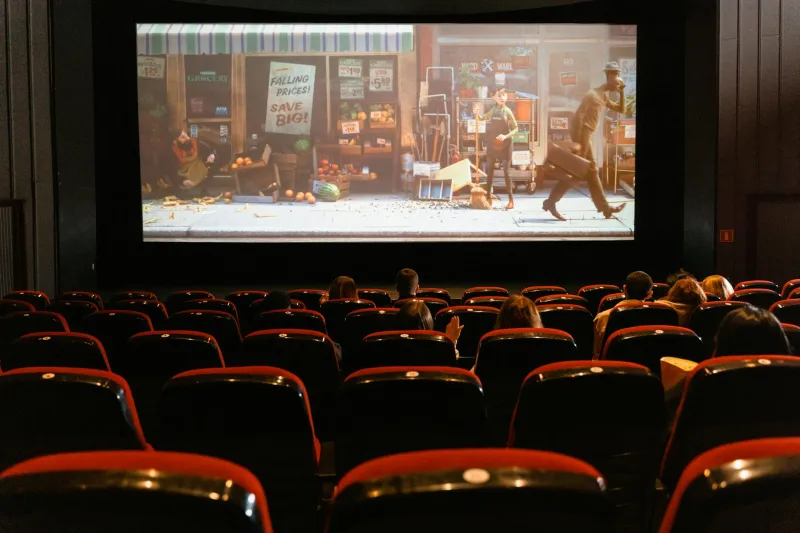
The next time you pay $18 to see a movie in a nearly empty theater, remember when that same experience cost a quarter and came with the guarantee that half your neighbors would be there too. Progress gave us better sound and picture quality, but it couldn't replace the magic of experiencing stories together in the dark.