Before Amazon, There Was Albert: When Home Delivery Ran America's Daily Life

The Original Subscription Economy
Every morning at 6:30 AM, Albert would arrive at the Johnsons' back porch with two quarts of milk, a pound of butter, and whatever else Mrs. Johnson had requested by leaving a note in the empty bottles. He knew she preferred whole milk on Tuesdays for baking, that the family went through extra cream when the grandchildren visited, and that Mr. Johnson's ulcer meant switching to skim milk during flare-ups.
Albert wasn't just delivering dairy products — he was running a personalized logistics operation that would make modern Amazon engineers weep with envy. And he was just one of dozens of delivery professionals who kept American households functioning without anyone ever leaving home.
The Clockwork Army
Before World War II, American homes operated on a delivery schedule more precise than today's most sophisticated supply chains. The milkman came every other day, usually before dawn. The breadman arrived Tuesdays and Fridays with fresh loaves and pastries. The iceman showed up twice weekly to replenish the icebox, using metal tongs to carry 25-pound blocks up three flights of stairs.
 Photo: World War II, via cdn.britannica.com
Coal deliverers rumbled through neighborhoods in winter, shooting tons of heating fuel down metal chutes directly into basement bins. Vegetable trucks rolled through suburban streets playing musical horns, bringing fresh produce to housewives who would select their groceries from mobile markets parked outside their front doors.
Even laundry left the house on schedule. Pickup and delivery services collected dirty clothes on Mondays and returned them pressed and folded by Thursday. Many families never owned an iron — professional laundries handled everything from shirts to bedsheets with industrial efficiency that home equipment couldn't match.
The Relationship Economy
These weren't anonymous transactions — they were ongoing relationships that spanned decades. Delivery men knew their customers' preferences, family situations, and financial circumstances. During the Great Depression, many continued service for families who couldn't pay immediately, carrying debt that was settled when times improved.
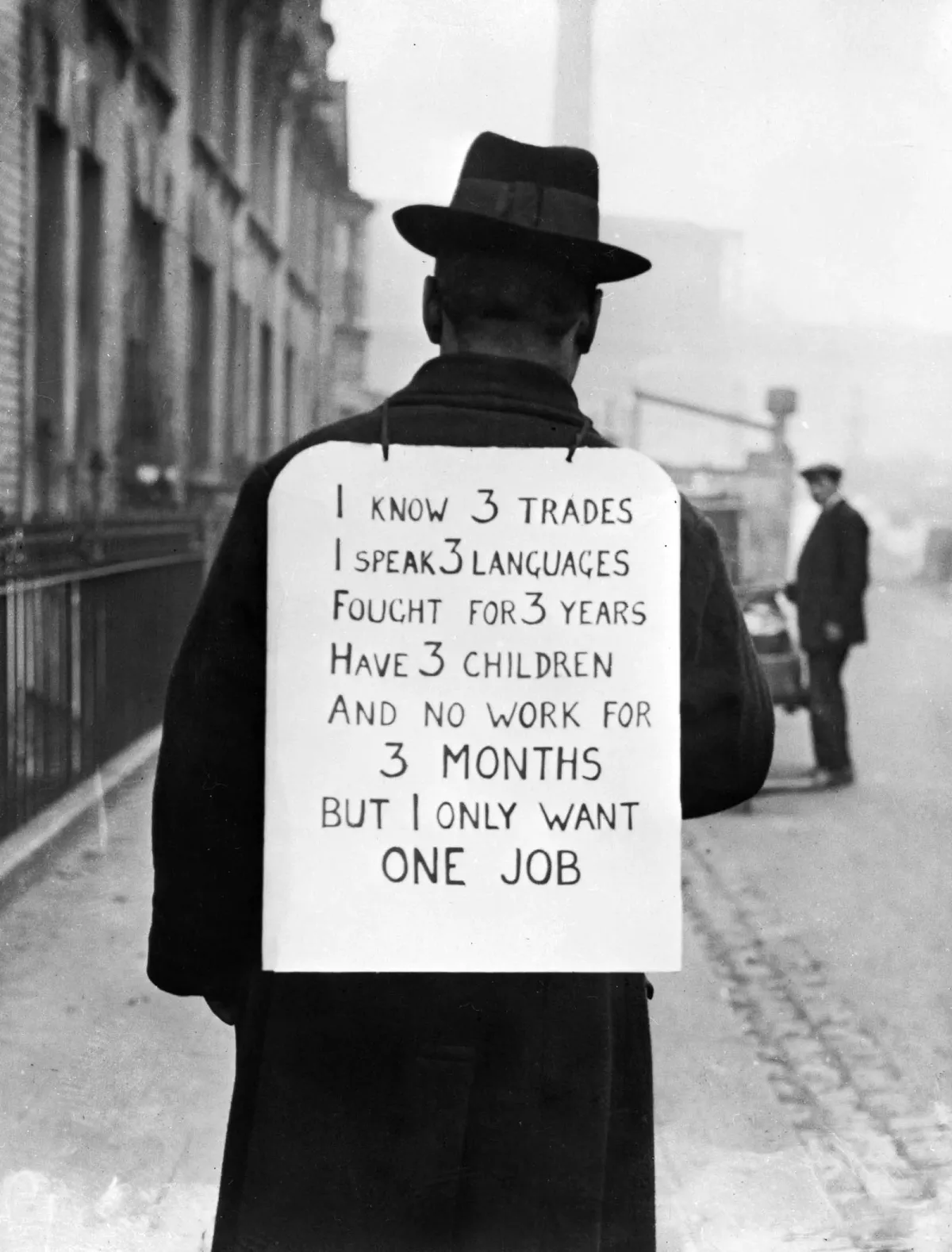 Photo: Great Depression, via blogger.googleusercontent.com
Milkmen often served as informal neighborhood watchmen, noting unusual activity during their early morning rounds. They might alert police to suspicious behavior or check on elderly customers who hadn't collected their bottles. Ice delivery men knew which families were struggling financially and might quietly leave extra ice during heat waves.
These relationships created accountability that modern delivery systems can't replicate. A milkman who consistently delivered sour milk or shortchanged customers would lose business quickly in tight-knit communities where reputation mattered more than corporate policies.
The Infrastructure Behind the Magic
Supporting this delivery network required massive infrastructure that's largely disappeared. Every neighborhood had local dairies with fleets of electric trucks designed for frequent stops and starts. Bakeries operated their own delivery services, often baking through the night to ensure fresh bread reached customers before breakfast.
Ice houses stored massive blocks cut from frozen lakes and ponds, maintaining them through summer heat using sawdust insulation and careful inventory management. Coal yards stockpiled fuel for winter delivery, while laundries operated complex pickup and delivery routes that required military-level coordination.
Many delivery services operated on credit systems that would terrify modern accountants. Customers received goods first and paid monthly, with delivery men collecting payments and managing accounts for hundreds of families. The entire system ran on trust and personal relationships rather than credit scores and automated billing.
Why It All Disappeared
Several forces converged to kill America's delivery culture. Suburban sprawl made routes longer and less efficient. The rise of supermarkets offered one-stop shopping that seemed more convenient than managing relationships with multiple delivery services. Home appliances — refrigerators, washing machines, freezers — reduced dependence on frequent deliveries.
World War II accelerated the decline. Gas rationing limited delivery routes, while labor shortages pulled delivery men into factory jobs and military service. Many services never recovered after the war, as changed consumer habits and new technology made the old system seem obsolete.
The automobile completed the transformation. As car ownership became universal, Americans preferred the independence of driving to stores over the scheduled dependence of home delivery. Shopping became recreation rather than chore, and the delivery man became an unnecessary middleman.
The Forgotten Convenience
What we lost in this transition was remarkable convenience that we're only now rediscovering. Families never ran out of milk, bread, or ice because delivery schedules prevented shortages. Housewives could plan meals around guaranteed fresh ingredients without leaving home or coordinating shopping trips.
The quality was often superior to modern alternatives. Milk came from local dairies and was delivered within hours of production. Bread was baked daily and delivered warm. Ice was pure and dense, keeping food colder than early electric refrigerators.
Most importantly, the system freed time for other activities. Without grocery shopping, laundry trips, or ice runs, families had hours each week for pursuits that modern Americans sacrifice to errands and household management.
The Digital Echo
Today's delivery revolution — Amazon Prime, Instacart, meal kit services — represents a return to patterns our great-grandparents considered completely normal. We're rediscovering that having goods delivered to your door isn't a modern luxury but a traditional convenience that we temporarily abandoned.
The difference is scale and personalization. Modern delivery relies on algorithms and logistics networks rather than personal relationships and local knowledge. We've gained efficiency and selection while losing the human connections that made old-fashioned delivery more than just a transaction.
Some aspects of the old system are impossible to recreate. Modern food safety regulations, labor laws, and insurance requirements make the informal, relationship-based delivery services of the past economically unviable. But the basic insight remains valid — bringing goods to people is often more efficient than bringing people to goods.
Then What Now?
The next time you marvel at same-day delivery or subscription services, remember that your grandmother probably had fresh milk delivered to her door every other day without thinking twice about it. She didn't consider herself lucky to live in a delivery economy — she just lived in one.
We've spent seventy years rediscovering the convenience of home delivery, treating as revolutionary what was once completely ordinary. Sometimes progress means going backwards to move forward, and sometimes the future looks a lot like the past — just with better trucks and smartphone apps instead of handwritten notes in empty milk bottles.